
Buy anything from 5,000+ international stores. One checkout price. No surprise fees. Join 2M+ shoppers on Desertcart.
Desertcart purchases this item on your behalf and handles shipping, customs, and support to Belgium.
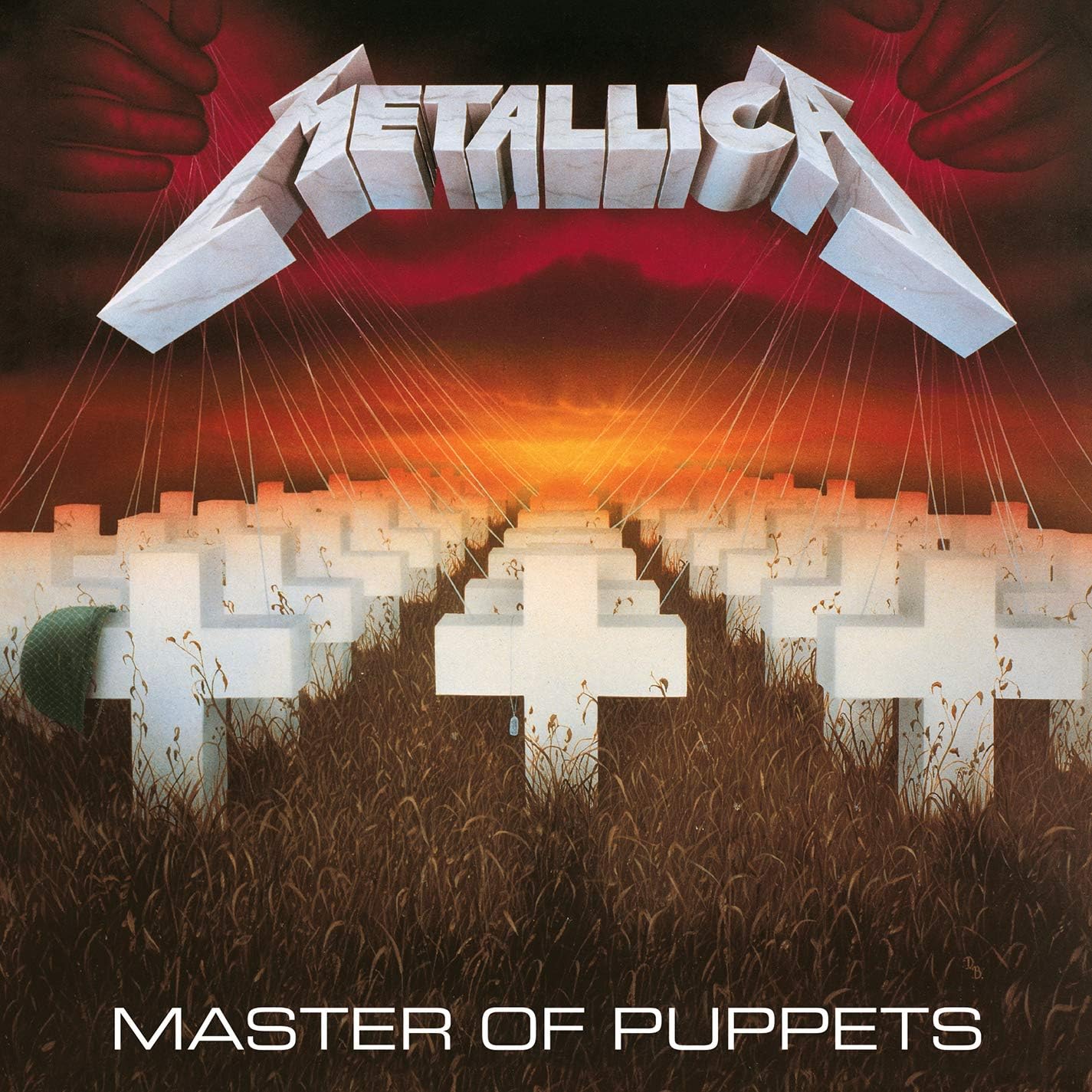
Master of Puppets was originally released on March 3rd, 1986, on Elektra Records and went on to become the first Metallica album to be certified Platinum by the RIAA. The album has been certified 6x Platinum in the United States and has sold over 10 million copies worldwide. In 2016, the album became the first metal album to be added to the National Recording Registry of the Library of Congress, an honor granted to works deemed “culturally, historically, or aesthetically significant”. Review: Best - Metallica’s Master of Puppets (1986) is not just a metal album—it is a cultural weapon. Released during Cold War anxiety, addiction crises, and political distrust, it captured controlled rage with unmatched intelligence and discipline. Band background & ages (1986): James Hetfield (22) and Lars Ulrich (22) were driven, angry, and disciplined. Kirk Hammett (23) added melodic precision. Cliff Burton (24) was the philosophical soul—classically trained, spiritually curious, fearless. Political & social background: The Reagan-era arms race, propaganda, censorship, war trauma, and substance abuse shaped the album. Control—by governments, drugs, religion, fear—is the central theme. Power manipulating the powerless. Track-by-track 1. Battery An acoustic calm explodes into violent precision. Written about San Francisco’s Battery Street, it symbolizes unleashed energy, unity, and controlled aggression—Metallica declaring total dominance without compromise. The song begins deceptively peaceful, symbolizing inner balance and brotherhood. When it erupts, it represents controlled violence—not chaos, but focused power. Lyrically, it’s about community, energy, and choosing aggression as a unifying force rather than mindless rage. It’s Metallica sharpening their blade. 2. Master of Puppets A brutal metaphor for addiction and control. Drugs speak as masters, users as slaves. Political parallels echo authority manipulation. The midsection reflects inner conflict, loss, and false freedom. This is the album’s core thesis. The lyrics personify addiction as a manipulative tyrant—offering false comfort, demanding obedience, and eventually consuming identity. Lines like “Taste me, you will see” mimic seduction. Politically, it parallels governments and systems that control populations through dependency and fear. 3. The Thing That Should Not Be Inspired by H.P. Lovecraft. Crushing riffs convey cosmic dread. Represents fear of the unknown, hidden powers, and humanity’s insignificance beneath ancient, indifferent forces. Inspired by Lovecraft, the song is less about monsters and more about existential dread. The lyrics evoke ancient, unseen forces beyond human control—mirroring Cold War nuclear fear. The slow, crushing riffs reflect inevitability, helplessness, and the terror of knowledge humanity was never meant to possess. 4. Welcome Home (Sanitarium) A critique of mental institutions and enforced conformity. Calm verses mirror false safety; aggression reflects rebellion. It’s about losing autonomy under systems claiming to “protect.” This song explores institutional imprisonment, both mental and societal. The calm verses express enforced calm and obedience, while the aggressive chorus reveals growing rage. The narrator slowly realizes he is not sick—the system is. It’s about awakening, resistance, and the cost of rebellion. 5. Disposable Heroes A searing anti-war statement. Soldiers are tools, not humans. Commands replace morality. It condemns blind obedience, nationalism, and leaders who sacrifice lives without consequence. A relentless anti-war narrative told from a soldier’s perspective. The lyrics strip war of glory, portraying soldiers as expendable tools. Commands replace individuality. The speed reflects chaos, while repetition mirrors indoctrination. It condemns leadership that values ideology over human life. 6. Leper Messiah Attacks televangelists and religious exploitation. Faith weaponized for profit and control. Sarcasm and venom expose hypocrisy, false salvation, and manipulation of the desperate. A scathing attack on religious exploitation. The lyrics mock false prophets who sell salvation while draining faith and money. It’s not anti-faith—it’s anti-manipulation. The song exposes how belief systems can become instruments of control when fear is monetized. 7. Orion Cliff Burton’s instrumental masterpiece. No lyrics—pure emotion. Melodic bass leads reflect introspection, space, and unity. It’s Metallica’s soul speaking without words. Though instrumental, Orion speaks emotionally. The shifting sections mirror introspection, grief, wonder, and transcendence. Cliff Burton’s bass carries the melody, proving that silence can be as expressive as words. It’s a cosmic meditation on existence and unity. 8. Damage, Inc. Total chaos and speed. A manifesto of aggression and self-destruction. Ends the album with no resolution—only momentum, warning, and defiance. The album ends with unfiltered aggression. The lyrics embrace destruction as consequence—not celebration. It’s the sound of losing control after fighting control all album long. No resolution. No lesson. Just aftermath. After Cliff Burton On 27 September 1986, Cliff Burton died in a bus accident in Sweden. Metallica lost their anchor. They survived—but innocence ended. Master of Puppets became immortal, frozen in perfection. Legacy: This album didn’t chase trends—it defined metal’s intelligence, discipline, and emotional depth. It remains untouchable. Review: Great record. - Bought for my husband for his birthday. He is a big Metallica fan, great record that he will get plenty use out of.



| ASIN | B075795D51 |
| Best Sellers Rank | 245 in CDs & Vinyl ( See Top 100 in CDs & Vinyl ) 5 in Heavy Metal 68 in Vinyl |
| Customer reviews | 4.8 4.8 out of 5 stars (7,823) |
| Is discontinued by manufacturer | No |
| Item model number | EVP-858978005219 |
| Label | Blackened Recordings |
| Manufacturer | Blackened Recordings |
| Number of discs | 1 |
| Product Dimensions | 0.51 x 31.12 x 31.12 cm; 272.16 g |
T**T
Best
Metallica’s Master of Puppets (1986) is not just a metal album—it is a cultural weapon. Released during Cold War anxiety, addiction crises, and political distrust, it captured controlled rage with unmatched intelligence and discipline. Band background & ages (1986): James Hetfield (22) and Lars Ulrich (22) were driven, angry, and disciplined. Kirk Hammett (23) added melodic precision. Cliff Burton (24) was the philosophical soul—classically trained, spiritually curious, fearless. Political & social background: The Reagan-era arms race, propaganda, censorship, war trauma, and substance abuse shaped the album. Control—by governments, drugs, religion, fear—is the central theme. Power manipulating the powerless. Track-by-track 1. Battery An acoustic calm explodes into violent precision. Written about San Francisco’s Battery Street, it symbolizes unleashed energy, unity, and controlled aggression—Metallica declaring total dominance without compromise. The song begins deceptively peaceful, symbolizing inner balance and brotherhood. When it erupts, it represents controlled violence—not chaos, but focused power. Lyrically, it’s about community, energy, and choosing aggression as a unifying force rather than mindless rage. It’s Metallica sharpening their blade. 2. Master of Puppets A brutal metaphor for addiction and control. Drugs speak as masters, users as slaves. Political parallels echo authority manipulation. The midsection reflects inner conflict, loss, and false freedom. This is the album’s core thesis. The lyrics personify addiction as a manipulative tyrant—offering false comfort, demanding obedience, and eventually consuming identity. Lines like “Taste me, you will see” mimic seduction. Politically, it parallels governments and systems that control populations through dependency and fear. 3. The Thing That Should Not Be Inspired by H.P. Lovecraft. Crushing riffs convey cosmic dread. Represents fear of the unknown, hidden powers, and humanity’s insignificance beneath ancient, indifferent forces. Inspired by Lovecraft, the song is less about monsters and more about existential dread. The lyrics evoke ancient, unseen forces beyond human control—mirroring Cold War nuclear fear. The slow, crushing riffs reflect inevitability, helplessness, and the terror of knowledge humanity was never meant to possess. 4. Welcome Home (Sanitarium) A critique of mental institutions and enforced conformity. Calm verses mirror false safety; aggression reflects rebellion. It’s about losing autonomy under systems claiming to “protect.” This song explores institutional imprisonment, both mental and societal. The calm verses express enforced calm and obedience, while the aggressive chorus reveals growing rage. The narrator slowly realizes he is not sick—the system is. It’s about awakening, resistance, and the cost of rebellion. 5. Disposable Heroes A searing anti-war statement. Soldiers are tools, not humans. Commands replace morality. It condemns blind obedience, nationalism, and leaders who sacrifice lives without consequence. A relentless anti-war narrative told from a soldier’s perspective. The lyrics strip war of glory, portraying soldiers as expendable tools. Commands replace individuality. The speed reflects chaos, while repetition mirrors indoctrination. It condemns leadership that values ideology over human life. 6. Leper Messiah Attacks televangelists and religious exploitation. Faith weaponized for profit and control. Sarcasm and venom expose hypocrisy, false salvation, and manipulation of the desperate. A scathing attack on religious exploitation. The lyrics mock false prophets who sell salvation while draining faith and money. It’s not anti-faith—it’s anti-manipulation. The song exposes how belief systems can become instruments of control when fear is monetized. 7. Orion Cliff Burton’s instrumental masterpiece. No lyrics—pure emotion. Melodic bass leads reflect introspection, space, and unity. It’s Metallica’s soul speaking without words. Though instrumental, Orion speaks emotionally. The shifting sections mirror introspection, grief, wonder, and transcendence. Cliff Burton’s bass carries the melody, proving that silence can be as expressive as words. It’s a cosmic meditation on existence and unity. 8. Damage, Inc. Total chaos and speed. A manifesto of aggression and self-destruction. Ends the album with no resolution—only momentum, warning, and defiance. The album ends with unfiltered aggression. The lyrics embrace destruction as consequence—not celebration. It’s the sound of losing control after fighting control all album long. No resolution. No lesson. Just aftermath. After Cliff Burton On 27 September 1986, Cliff Burton died in a bus accident in Sweden. Metallica lost their anchor. They survived—but innocence ended. Master of Puppets became immortal, frozen in perfection. Legacy: This album didn’t chase trends—it defined metal’s intelligence, discipline, and emotional depth. It remains untouchable.
J**N
Great record.
Bought for my husband for his birthday. He is a big Metallica fan, great record that he will get plenty use out of.
T**E
The music of coarse
Another great album
R**R
Metallica - Master of Puppets
I like it
M**E
Metallica Vinyl
Really lovely high quality product! Had an issue with there being no tracking initially but the seller was able to assist me very promptly through Amazon customer service so was no issue at all in the end :)
A**R
Metal Heads
Still favour the Black Album but this one is up there
D**L
Great to hear again and still sounds loud
Excellent product just as described
K**E
Excellent quality
Excellent quality
R**A
El disco llego en malas condiciones
El disco llego en malas condiciones, con un golpe que obviamente lo hace Inservible. Triste porque realmente me encanto esta versión.
F**O
Clássico do metal
Disco chegou em perfeito estado, impecável. Discasso que dispensa comentários. Tudo muito simples, capa simples, só uma página de encarte com as letras.
J**N
Metallica is awesome
Insanely good, a must listen for cool angry people.
I**O
Excelente!
Llegó en buen estado, muy protegido, también llegó muy rápido por cierto, a un excelente precio, lo recomiendo!!
F**O
Imprescindible
La obra maestra de Metallica. Una obra maestra del thrash metal y uno de los mejores álbumes de la historia del rock. Poco más que añadir.
Trustpilot
2 months ago
3 weeks ago